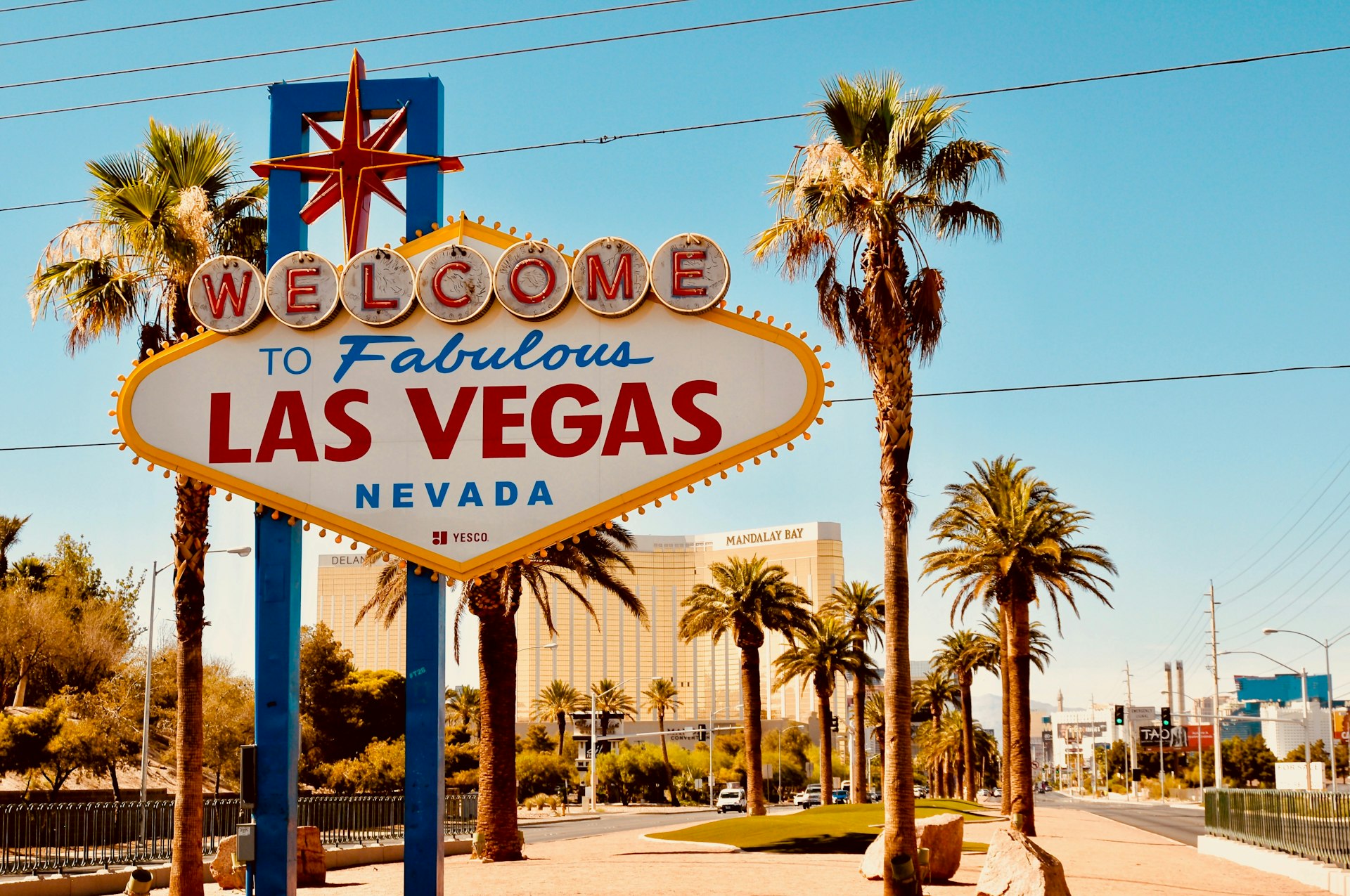
Kitchen Equipment Repair in Las Vegas, NV
Connect with 382+ verified kitchen equipment repair technicians for oven, fryer, walk-in cooler, and emergency services in Las Vegas.
382+
Verified Technicians
2.7
Average Rating
Kitchen Equipment Repair in Las Vegas
Local Service Considerations
Equipment Needs in Las Vegas
Popular Services in Las Vegas
Commercial Oven Repair
Fast, reliable commercial oven repair to get your kitchen back in service quickly.
Learn more
Fryer Repair
Professional commercial fryer repair to restore safe, consistent frying operations.
Learn more
Grill & Charbroiler Repair
Expert repair for commercial grills and charbroilers to keep your kitchen running.
Learn more
Steam Table Service
Professional steam table and hot holding equipment repair and maintenance.
Learn more
Walk-in Cooler Repair
Emergency walk-in cooler and freezer repair to protect your food inventory.
Learn more
Ice Machine Repair
Commercial ice machine repair and cleaning to ensure safe, consistent ice production.
Learn more
Frequently Asked Questions About Kitchen Equipment Repair in Las Vegas
What commercial kitchen equipment services are available in Las Vegas, NV?
Las Vegas has a robust food service industry with verified kitchen equipment technicians available for all types of commercial equipment repair and maintenance. HotSide connects you with local professionals for oven repair, refrigeration service, ice machine cleaning, exhaust hood cleaning, and preventive maintenance programs.
What is the average cost of kitchen equipment repair in Las Vegas, NV?
Kitchen equipment repair costs in Las Vegas, NV vary based on the equipment type, issue severity, and contractor rates. Local providers listed on HotSide offer competitive pricing and free estimates. Contact multiple providers to compare quotes for your specific equipment and situation.
Are there 24/7 emergency kitchen equipment services available in Las Vegas?
Yes, several kitchen equipment technicians in Las Vegas offer 24/7 emergency services for critical equipment failures. Check individual provider profiles on HotSide for emergency service availability and response times. We recommend saving emergency contact numbers before you need them — especially for refrigeration emergencies where food inventory is at stake.
What certifications should kitchen equipment technicians have in NV?
Kitchen equipment technicians in NV should hold CFESA certification or manufacturer certifications from brands like Rational, Hobart, or Manitowoc. EPA 608 certification is required for refrigerant handling. Gas technicians need appropriate gas fitting licenses. All providers listed on HotSide are verified for proper licensing and insurance. Always verify current certification status before hiring any technician.
What constitutes a commercial kitchen equipment emergency?
Kitchen equipment emergencies include: walk-in cooler/freezer temperature rising (food inventory at risk), gas leak or smell, fire suppression system discharge, electrical sparks or burning smells, complete loss of cooking equipment during service hours, dishwasher failure during a busy shift, or any situation creating an immediate food safety risk. These situations require immediate professional attention and may require temporary closure.
Are preventive maintenance contracts worth the cost?
Yes — most food service operators find PM contracts reduce total repair costs by 30-50% compared to reactive-only maintenance. Benefits include: reduced emergency repair calls (the most expensive type), extended equipment lifespan, maintained food safety compliance, priority scheduling for PM customers, and detailed maintenance records for health inspections. The ROI is especially strong for high-volume operations where any downtime is costly.
How much does commercial kitchen equipment installation cost?
Installation costs vary widely: single appliance installation $300-$2,000 depending on complexity (simple drop-in vs. gas/electrical connections required); complete kitchen buildout $15,000-$75,000+. Costs include equipment setting, utility connections (gas, electric, water, drain), ventilation hookup, and commissioning. Always get installation quotes separate from equipment costs — some dealers include installation, others charge separately.
How do I know if my oven needs calibration?
Signs your oven needs calibration: food is consistently undercooked or overcooked at standard settings, cooking times are significantly longer or shorter than expected, the displayed temperature doesn't match an independent thermometer reading. Oven calibration should be part of every service visit and can drift over time from component wear. A variance of more than 25°F warrants professional calibration.
Top Technicians in Las Vegas
Adaven Plumbing Inc
5.0(454)
Mastermind Mechanical - Air Conditioning And Heating Las Vegas
5.0(167)
Polar Air & Heating Inc.
5.0(125)
Appliance Installs LLC
5.0(1883)
J & M Appliance Repair
5.0(104)
Nearby Cities
Are You a Kitchen Equipment Technician?
Join our network of verified technicians in Las Vegas and connect with restaurants looking for equipment repair.
List Your Business